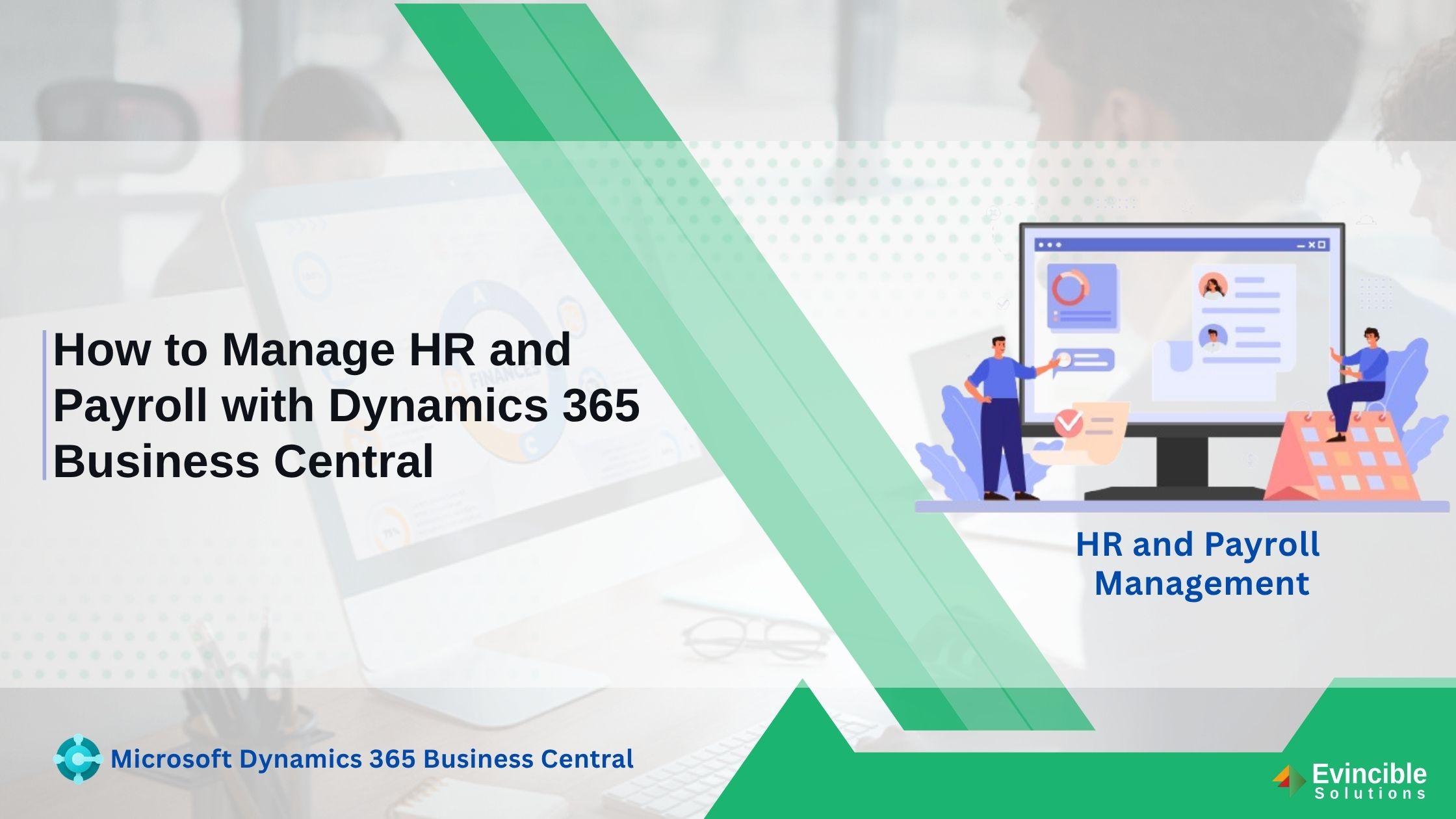
Managing employees, payroll, attendance, leave, and financial information across disconnected systems can create unnecessary complexity for growing businesses. An integrated approach to HR and Payroll for Microsoft Dynamics 365 Business Central helps organizations bring workforce and financial processes together in one connected environment. From employee records and leave management to payroll processing and workforce reporting, businesses can reduce manual work, improve data accuracy, gain better visibility into workforce costs, and create more efficient HR operations.
Why Managing HR and Payroll Separately Creates Challenges
Many organizations start with spreadsheets, standalone HR applications, or separate payroll tools. While these systems may work initially, they can become difficult to manage as the workforce grows.
Employee Data Scattered Across Multiple Systems
When employee information is stored across spreadsheets, HR software, payroll applications, and finance systems, maintaining accurate data becomes challenging. HR teams may need to enter or update the same information multiple times, increasing the risk of errors and inconsistencies.
Time-Consuming Manual Payroll Processes
Manual payroll calculations can require significant effort. Salaries, allowances, deductions, overtime, advances, and other employee-related transactions may need to be calculated and verified separately before payroll information reaches finance.
Limited Visibility into Workforce Costs
When HR and payroll data are separated from financial information, management may struggle to understand the full cost of employees. This can make workforce budgeting, cost analysis, and financial planning more complicated.
Disconnected HR and Finance Operations
HR decisions often have a direct financial impact. Employee benefits, payroll, loans, allowances, and other costs need to be reflected in financial records. Without integration, HR and finance teams can spend considerable time reconciling information between systems.
Bring HR and Payroll Together with Dynamics 365 Business Central
An integrated Business Central HR and Payroll approach connects employee information, HR processes, payroll, finance, and reporting in a unified business environment. Instead of treating HR and payroll as isolated processes, organizations can establish a connected flow:
Employee Information → HR Processes → Payroll → Finance → Reporting
With Dynamics 365 Business Central HR and Payroll, employee-related information can support downstream payroll and financial processes. This creates a consistent source of information, reduces duplicate data entry, and improves visibility.
Businesses looking for HR and payroll software that works alongside their financial operations can explore the HR and Payroll solution from Evincible Solutions
7 Key HR and Payroll Capabilities That Simplify Workforce Management
A modern HR and Payroll for Microsoft Dynamics 365 Business Central solution can help organizations streamline everyday workforce processes while keeping HR and financial information connected.
1. Centralized Employee Information
Centralized employee management in Business Central helps organizations maintain employee profiles, contracts, job details, organizational information, and important records in one location. Having a reliable employee information structure reduces dependence on scattered spreadsheets and makes it easier for authorized teams to access current workforce information.
2. Attendance and Leave Management
Business Central attendance and leave management can help HR teams track employee attendance, leave requests, leave balances, and approvals more efficiently. Employees can submit requests while managers review and approve them through structured workflows. This reduces email-based processes and gives HR better visibility into employee availability.
3. Automated Payroll Processing
Business Central Payroll Management can simplify recurring payroll activities by helping organizations manage salaries, allowances, deductions, and payroll-related calculations. With Dynamics 365 Business Central payroll, organizations can reduce repetitive calculations and establish more consistent payroll processes. The goal is not simply to automate payroll it is to connect payroll information with the organization’s broader financial structure.
4. Benefits, Loans, and Employee Advances
Employee benefits, loans, and advances can create additional administrative work when tracked manually. An integrated Business Central payroll solution can help organizations maintain employee-related financial information, monitor repayments, and keep relevant transactions organized. This provides HR and finance teams with greater visibility into employee financial obligations and benefits.
5. Employee Self-Service
Employee self-service can reduce HR teams’ administrative workload by allowing employees to manage routine requests and access relevant information. Depending on the solution and configuration, employees may be able to submit leave requests, review information, and participate in approval processes without relying on HR for every routine task.
6. Automated Workflows and Approvals
Automated workflows help standardize HR processes and ensure requests move to the appropriate person for review. For example, leave requests, employee changes, and other HR-related approvals can follow predefined workflows. This improves process consistency and reduces delays caused by manual communication.
7. HR and Payroll Analytics
HR and payroll data becomes more valuable when it can support business decisions. Organizations can analyze workforce costs, payroll expenses, employee information, leave trends, benefits, and other HR metrics to support planning and management reporting. This makes HR management with Business Central more than an administrative function—it becomes a source of actionable business insight.
How HR and Payroll Data Connect with Finance in Business Central
One major advantage of integrating HR and payroll with Business Central is the connection between workforce operations and financial management. Employee-related transactions can directly impact company finances. An integrated approach can help connect:
- Employee-related expenses
- Payroll costs
- Benefits and allowances
- Loans and advances
- Financial records
- Management reporting
For example, payroll costs can be reflected in financial processes, while employee benefits and allowances can be tracked as part of broader business expenses. This payroll integration with Business Central reduces the need to reconcile information manually between HR, payroll, and accounting teams. The result is a more connected operating model where workforce information can support financial reporting and business planning.
5 Business Benefits of an Integrated HR and Payroll Solution
Reduce Manual Work and Duplicate Data
When employee and payroll information is maintained in connected systems, teams can spend less time entering the same information repeatedly. This can reduce administrative work and minimize the risk of discrepancies between HR, payroll, and finance records.
Improve Payroll Accuracy
Payroll involves sensitive employee and financial information. Centralizing relevant data and automating recurring calculations can help reduce errors caused by manual data entry and repetitive processes.
Gain Better Visibility into Workforce Costs
Integrated reporting provides management with a clearer view of payroll expenses, benefits, allowances, advances, and other workforce-related costs. This can support better budgeting and workforce planning.
Make HR Processes Faster and More Efficient
Automated workflows, employee self-service, centralized records, and digital approvals can reduce delays in routine HR activities. HR teams can spend less time managing paperwork and more time focusing on workforce strategy and employee support.
Scale HR and Payroll Operations as Your Business Grows
As organizations expand, employee numbers and HR processes become more complex. A connected HRMS for Business Central can provide a more structured foundation for managing growing workforce requirements. Instead of continuously adding disconnected tools, businesses can build HR and payroll processes around their broader business management environment.
Is Your Business Ready for an Integrated HR and Payroll Solution?
Your organization may benefit from an integrated solution if:
- Employee information is managed primarily in spreadsheets.
- HR and finance teams use separate systems.
- Payroll involves significant manual work.
- You have limited visibility into workforce costs.
- Employees depend heavily on HR for routine requests.
- Your current HR and payroll processes are becoming difficult to scale.
If several of these challenges sound familiar, it may be time to evaluate an integrated Microsoft Dynamics 365 HR and Payroll solution.
Choosing the Right HR and Payroll Solution for Dynamics 365 Business Central
Choosing the right solution requires more than comparing a list of features. Businesses should consider how effectively the HR and Payroll software connects with their existing Business Central environment.
Key considerations include:
- Integration: HR and payroll information should connect effectively with finance and other Business Central processes.
- Automation: Look for capabilities that reduce repetitive HR and payroll tasks.
- Employee self-service: Employees should be able to complete routine requests efficiently.
- Scalability: The solution should support your organization’s future growth.
- Reporting: HR and management teams should have access to useful workforce and payroll insights.
- Localization: Businesses should consider local payroll requirements, taxation, employment regulations, and reporting needs when selecting a solution.
- Implementation and support: A capable implementation partner can help align the solution with existing business processes.
The best HR and Payroll software is ultimately the solution that fits your organization’s processes, integrates with your financial operations, and can scale with your workforce.
Conclusion: Simplify HR and Payroll with Evincible Solutions
Evincible Solutions helps businesses bring HR and payroll processes closer to their Microsoft Dynamics 365 Business Central environment. Its solution helps organizations manage employee information, attendance, leave, payroll, benefits, loans, approvals, and reporting while connecting workforce information with financial operations. If you’re evaluating payroll software for Business Central or want to modernize your workforce processes, explore Evincible Solutions’ HR and Payroll solution to learn how an integrated approach can support your organization.
Frequently Asked Questions (FAQs)